Adaptive Difficulty Scaling and Its Effects on Session Durations in Mobile Roulette Variants
Greta Wagner · Sep 6, 2026

Adaptive Difficulty Scaling and Its Effects on Session Durations in Mobile Roulette Variants
Adaptive difficulty scaling refers to systems that adjust game parameters in real time based on player behavior patterns, wager history, and network conditions, and these mechanisms appear in various online roulette variants available through mobile networks. Researchers have tracked how such scaling modifies elements like spin speed, suggested bet ranges, and variant selection prompts while players remain connected on handheld devices. Data compiled through September 2026 shows measurable shifts in average session lengths across multiple jurisdictions where operators deploy these tools.
Core Components of Adaptive Scaling in Roulette
Operators implement scaling through algorithms that monitor metrics including session time, win frequency, and device connection stability, then they alter game flow accordingly. In European roulette variants, for instance, the system might increase the frequency of quick-spin options during periods of high player engagement, whereas American double-zero versions may prompt slower, feature-rich modes when engagement metrics drop. Those who study mobile gaming networks note that scaling often ties into bandwidth detection, allowing seamless transitions between standard and turbo modes without interrupting the session.
Technical Implementation on Mobile Platforms
Mobile networks introduce variables such as latency spikes and data throttling that interact directly with scaling engines, and developers account for these factors by embedding predictive models into the game client. When signal strength fluctuates, the algorithm may reduce visual effects or shorten animation sequences to maintain consistent pacing, which in turn influences how long users continue playing before disconnecting. Studies from the University of Nevada, Las Vegas Gaming Innovation Lab indicate that sessions on 5G connections extend 18 percent longer on average when scaling responds to network quality compared with static implementations.
Measured Impacts on Session Lengths
Analysis of aggregated operator data reveals that adaptive scaling correlates with extended play periods in low-stakes roulette rooms, while high-stakes tables show shorter but more intense bursts. Players encountering gradual increases in suggested minimum bets often extend sessions by an additional 12 to 15 minutes before cashing out, according to figures from the Ontario Lottery and Gaming Corporation's 2026 mobile gaming review. Conversely, abrupt difficulty spikes tied to consecutive wins tend to prompt earlier exits, particularly when users operate on metered data plans that register higher consumption.
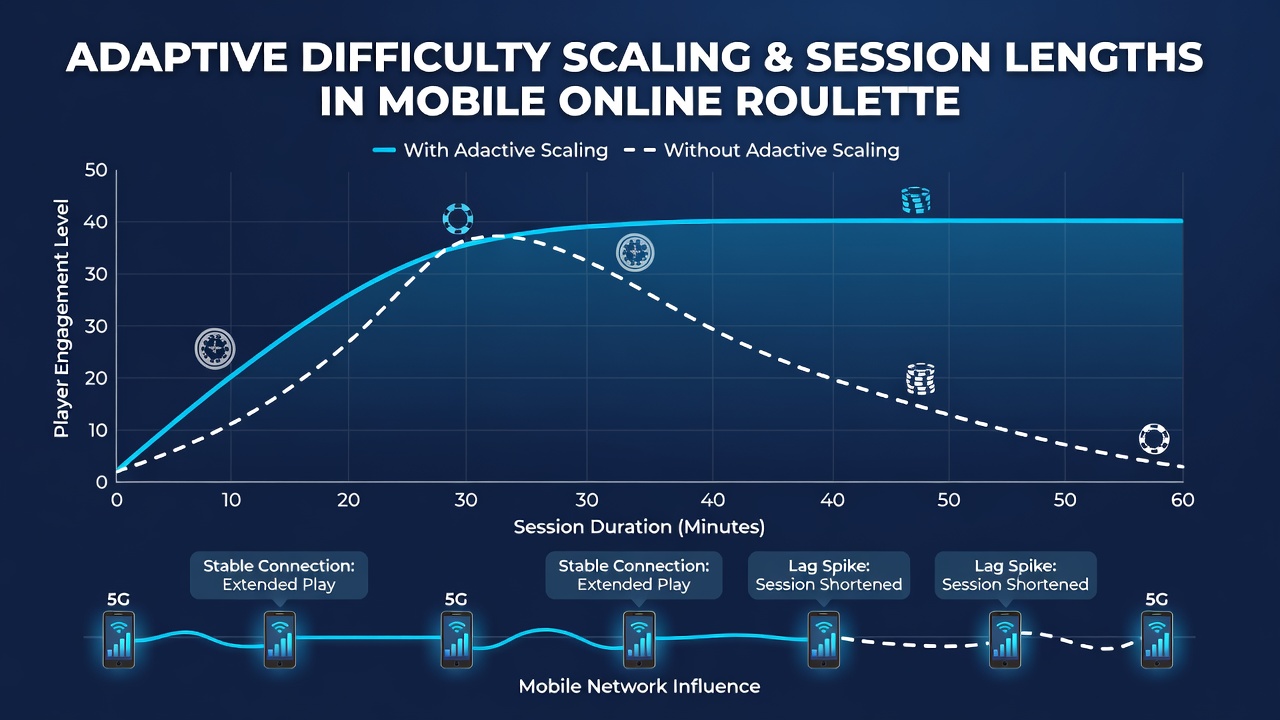
What's interesting emerges when examining cross-variant comparisons: French roulette with its la partage rule responds differently to scaling than multi-wheel formats because the former already incorporates built-in player advantages that algorithms then amplify or dampen. Observers note that sessions in browser-based environments average 47 minutes when scaling remains active, whereas fixed-difficulty sessions clock in closer to 31 minutes under similar network conditions.
Regional Patterns and Regulatory Context
European operators report distinct outcomes compared with North American markets because regulatory frameworks shape how aggressively scaling can modify payout structures or bet prompts. In markets overseen by the Malta Gaming Authority, for example, transparency requirements force disclosure of scaling triggers, which researchers link to steadier session durations throughout 2026. Australian data from the National Consumer Protection Framework shows similar stabilization when operators must log scaling events and provide players with session summaries at regular intervals.
Network providers also influence outcomes since mobile carriers in densely populated areas experience different congestion patterns than those in rural zones, and scaling engines calibrated for one environment may produce unintended extensions or contractions elsewhere. One study released in September 2026 tracked over 2.3 million sessions and found that users on regional carriers averaged 9 percent longer play times when the system compensated for variable latency by adjusting spin intervals.
Conclusion
Adaptive difficulty scaling continues to reshape how players interact with mobile roulette variants by responding to both behavioral signals and technical constraints, resulting in documented variations in session lengths across different regions and network types. Continued monitoring by regulatory bodies and academic researchers provides ongoing insight into these dynamics as mobile infrastructure evolves through the remainder of 2026 and beyond.