Biometric Response Tracking Influences Bet Adjustments in Connected Table Game Platforms
Greta Wagner · Oct 18, 2026
Biometric Response Tracking Influences Bet Adjustments in Connected Table Game Platforms
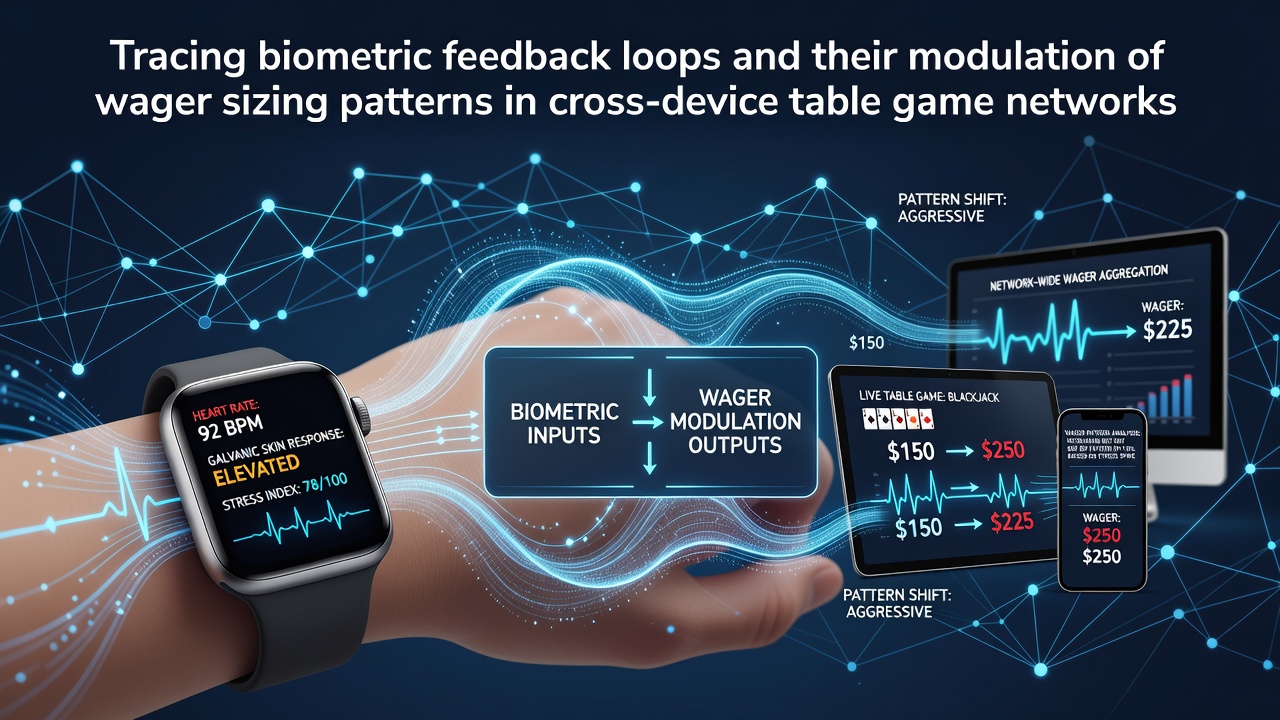
Biometric feedback loops operate through continuous monitoring of physiological signals such as heart rate variability, skin conductance, and eye movement patterns during live table game sessions, and these signals feed directly into algorithms that adjust recommended wager sizes across mobile, desktop, and tablet interfaces. Systems collect data in real time from wearable devices or integrated camera inputs, then process the information to identify stress or engagement levels that correlate with betting behavior. Research indicates that such loops allow operators to modulate bet prompts without direct player input, creating a closed system where responses influence subsequent decisions.
Core Mechanisms in Feedback Loop Design
Operators deploy sensors that capture baseline biometric readings at the start of each session, then compare ongoing data against those baselines to detect deviations, and this comparison drives dynamic adjustments in wager interfaces. For instance, elevated heart rates detected during high-stakes roulette rounds may trigger smaller bet suggestions on linked devices, while stable readings support larger increments. Studies from university research teams have documented how these thresholds get calibrated using aggregated anonymized datasets from multiple jurisdictions. The process relies on machine learning models trained on historical play patterns, and those models update continuously as new biometric streams arrive from participating networks.
Cross-Device Data Synchronization Patterns
Table game networks link sessions across devices through centralized servers that maintain persistent player profiles, and biometric data transfers seamlessly when users switch from a desktop blackjack table to a mobile version of the same game. Synchronization occurs via encrypted APIs that prioritize low-latency transmission, ensuring wager sizing recommendations remain consistent regardless of hardware. Reports from gaming technology providers show that session handoffs completed in under two seconds maintain biometric continuity, preventing abrupt shifts in suggested bet amounts. This setup supports multi-jurisdiction play where regulatory frameworks require consistent risk controls, and data flows respect geographic boundaries through localized processing nodes.
Impact on Wager Sizing Behaviors
Modulation occurs when feedback algorithms scale bet options up or down based on detected arousal states, and players encounter these changes as personalized interface prompts rather than manual overrides. Data from operational logs reveal that sessions with frequent biometric spikes show reduced average wager sizes compared to stable sessions, while prolonged engagement periods correlate with gradual increases in suggested limits. Observers note that these adjustments integrate with progressive betting structures in games like baccarat and poker variants, creating sequences where one device's output directly informs the next. In October 2026, several North American networks reported expanded testing of these systems following hardware upgrades that improved sensor accuracy on portable devices.
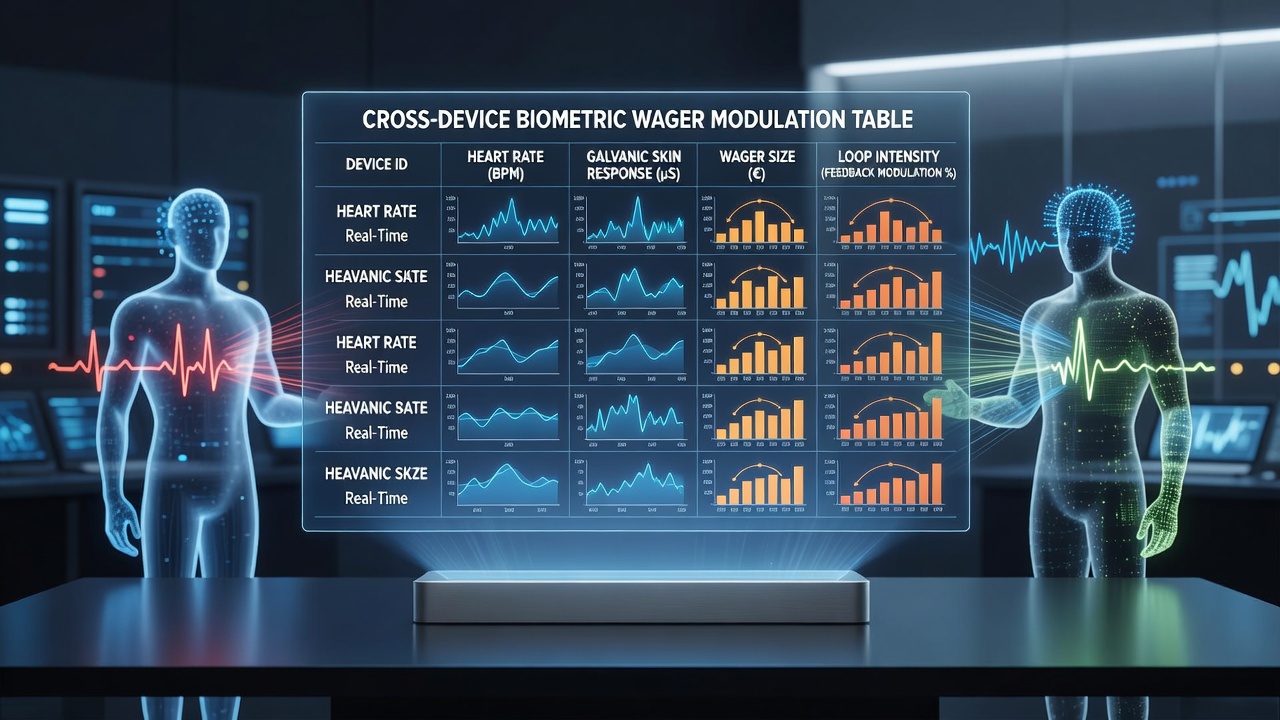
Case examples from deployed platforms demonstrate how eye-tracking data refines precision in blackjack split decisions, with systems narrowing bet ranges when rapid eye movements indicate hesitation. The same loops apply across roulette wheels where skin conductance readings influence color and number selection interfaces. Industry associations in Canada and Australia have published summaries of pilot programs that tracked these interactions over multi-month periods, confirming measurable shifts in session lengths and total wagered amounts.
Regulatory and Technical Considerations
Gaming control authorities in multiple regions require transparency reports on how biometric data influences automated suggestions, and operators must document the logic behind each adjustment threshold. Technical standards from European testing laboratories specify minimum sampling rates for heart rate monitors and accuracy benchmarks for emotion detection models. Those standards also mandate opt-out mechanisms that allow players to disable biometric tracking while preserving core game functionality. Implementation timelines vary, yet recent deployments show integration with existing player loyalty systems that already aggregate device usage statistics.
Future Integration Pathways
Developments in sensor miniaturization continue to expand the range of measurable signals, including thermal imaging from device cameras and voice stress analysis during live dealer interactions. Academic papers presented at international gaming conferences outline potential extensions into predictive modeling that anticipates wager changes several rounds ahead. Cross-border collaborations between technology firms and regulatory bodies in Asia and North America focus on standardizing data formats to support seamless network expansion. These efforts build on existing infrastructure that already handles currency conversion and promotional overlays in multi-region environments.
Conclusion
Biometric feedback systems in cross-device table game networks establish direct connections between physiological monitoring and wager modulation, supported by synchronized data flows and regulatory oversight. Evidence from operational deployments and research summaries shows consistent patterns in how these loops shape betting sequences across platforms. Ongoing technical refinements and geographic expansions indicate continued evolution of these mechanisms through structured industry and academic channels.