Seasonal Tourism Cycles Drive Changes in Promotional Frameworks for Cross-Regional Online Table Games
Amir Lehmann · Oct 4, 2026
Seasonal Tourism Cycles Drive Changes in Promotional Frameworks for Cross-Regional Online Table Games
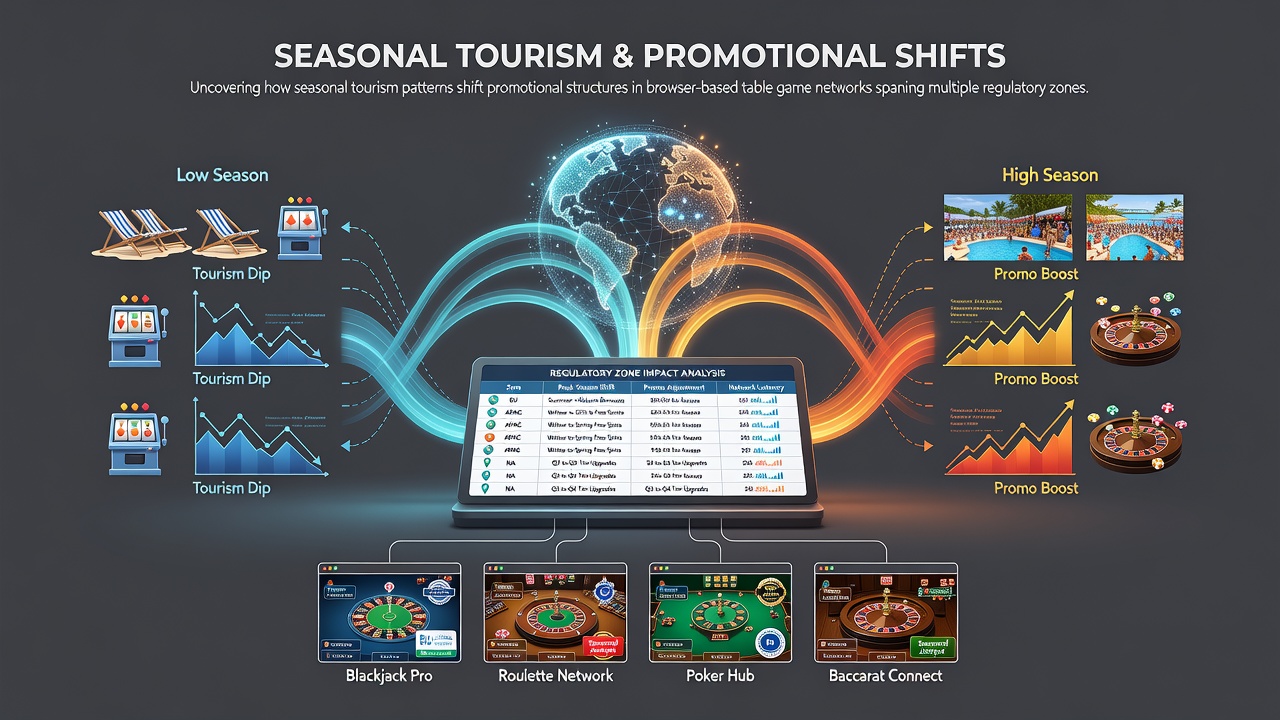
Seasonal tourism flows create measurable shifts in how operators structure promotions within browser-based table game networks that operate across multiple regulatory zones, and data from various jurisdictions shows these adjustments align closely with peak visitor periods in key markets. Operators monitor tourism statistics from regions including parts of Europe, North America, and Asia to time bonus releases, deposit matches, and loyalty incentives for games such as blackjack, roulette, and baccarat. In October 2026, tracking reports indicated a noticeable uptick in cross-border player registrations during shoulder seasons when European and North American travel patterns overlapped with promotional campaigns tailored to browser platforms.
Tourism Data Shapes Bonus Timing
Research from tourism boards and gaming regulators reveals that summer peaks in Mediterranean destinations coincide with expanded promotional calendars in networks serving players from multiple countries, while winter surges in Caribbean and Asian hubs prompt operators to recalibrate reward structures for roulette and card game sessions. These networks rely on browser compatibility to reach users without app downloads, allowing seamless transitions between regulatory environments where rules on bonuses differ sharply. Figures from the New Jersey Division of Gaming Enforcement highlight how operators adjust free-play allocations during periods of high inbound tourism, connecting these changes directly to visitor arrival statistics rather than fixed annual schedules.
Patterns become clearer when analysts compare monthly tourism arrivals against promotional claim rates across platforms. One study from a Canadian research institution found that table game networks increased cashback percentages by up to 15 percent in provinces experiencing autumn tourism spikes, and this adjustment helped maintain engagement levels among players accessing games from multiple jurisdictions simultaneously.
Regulatory Variations Influence Structure Adjustments
Different regulatory zones impose distinct caps on bonus values, wagering requirements, and eligible game types, which forces operators to segment promotional offers according to player location data detected through browser sessions. In zones with stricter rules on progressive features, networks shift emphasis toward table game specific rewards such as reduced house edges during limited windows, whereas more flexible jurisdictions allow layered deposit bonuses tied to seasonal tourism campaigns. Observers note that these adaptations maintain compliance while capitalizing on increased player traffic from travelers who switch devices and locations during trips.
Browser-based systems enable real-time updates to promotional displays based on detected IP addresses and time zones, and this technical capability supports the rapid reconfiguration needed when tourism patterns change unexpectedly due to economic or weather factors. Data indicates that networks spanning EU member states and Australian territories often synchronize bonus rollouts with major flight booking surges reported by aviation authorities, creating aligned incentives that appear in player dashboards within hours of policy updates.

Cross-Border Player Behavior and Offer Customization
Players accessing table games from multiple regulatory zones during travel periods demonstrate distinct engagement patterns, and networks respond by varying reward structures to match detected movement trends. For instance, a surge in sessions from users in high-tourism coastal areas often triggers localized offers such as extended playtime credits on baccarat tables, while inland regions see different incentives focused on blackjack tournaments. Industry reports from the European Gaming and Betting Association document how these customizations occur more frequently in the months leading into major holiday travel windows, with October 2026 showing particular emphasis on browser-optimized promotions that do not require location-specific downloads.
Networks use aggregated anonymized data to identify when tourism seasons in one zone overlap with off-peak periods elsewhere, allowing operators to balance overall engagement across their multi-jurisdictional footprint. This approach avoids over-concentration of bonuses in single markets and supports steady participation in table game categories that might otherwise see fluctuations tied purely to local calendars.
Technology Enables Responsive Networks
Browser platforms facilitate instant delivery of updated promotional terms without requiring user intervention, and this flexibility proves essential when tourism patterns shift due to external events such as currency fluctuations or regional events. Operators deploy algorithms that factor in real-time arrival data from tourism agencies to adjust parameters like minimum deposit thresholds or game eligibility lists, ensuring offers remain relevant to players crossing regulatory boundaries. Evidence from academic analyses of online gaming systems suggests these responsive mechanisms reduce player drop-off rates during transitional tourism months by maintaining consistent value propositions across zones.
Short promotional cycles tied to specific festivals or events in tourism-heavy areas further illustrate the connection, with networks launching targeted table game leaderboards that reset weekly to align with visitor stays averaging five to seven days. Such structures keep engagement elevated without violating jurisdictional limits on bonus frequency.
Conclusion
Seasonal tourism patterns continue to inform how promotional structures evolve in browser-based table game networks that span multiple regulatory zones, with operators relying on data integration and technical adaptability to maintain compliance and engagement. As tourism flows change through 2026 and beyond, these networks demonstrate ongoing refinement of offer timing and customization based on cross-border movement indicators. The interplay between visitor statistics and bonus frameworks remains a central operational focus for platforms serving diverse jurisdictions through browser interfaces.